Introduction
Northern Vietnam isn’t a place you optimize with a weather app. It’s a complex system: Sapa can be sunny while Halong Bay is swallowed in mist, and “dry season” doesn’t mean “no humidity”, especially in 2026.
The Year of the Fire Horse opens under influence.
La Niña, active since late 2025, muddles the map: a wetter winter than historical norms and an electric-feeling summer. Travelers who adapt win. At
Mr Linh’s Adventures we’ve watched these patterns from Hanoi, not London or Singapore. Which might explain why we spot holes in the tourist calendar.
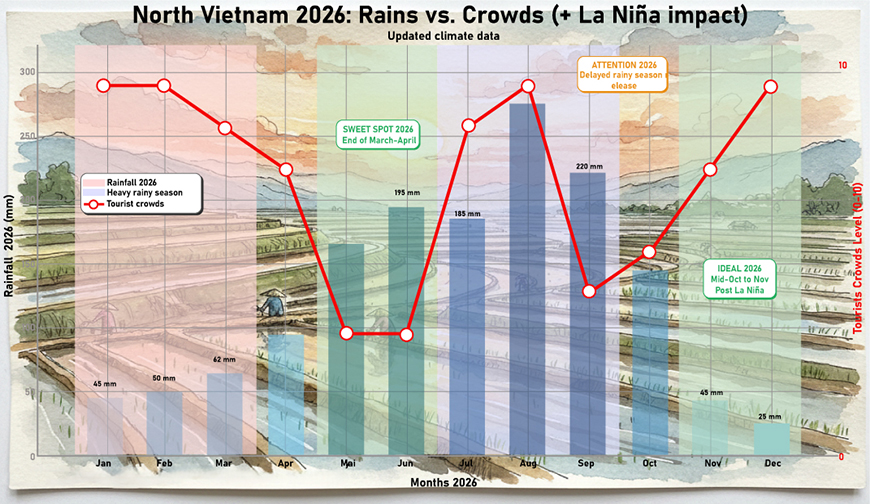
30 seconds to understand the geo‑climate context
The two-monsoon rule
April–October brings heat and precipitation (summer monsoon). November–March is cooler and drier (winter monsoon). Except...
The 2026 exception
Starting late 2025, a La Niña episode leaves residual humidity. Result: an already rainy January (45mm vs. a normal 18mm), late frosts in Sapa (even snow), and a spring that oscillates between grey and blue. July looks brutal: 185mm forecast in Hanoi, peaks to 39–40°C, and typhoons likely to rattle the karsts of Halong Bay.
The variable you can control
Crowds. They follow international cycles (Europeans in winter, Asians in summer) and domestic ones (Têt, school holidays). Combine rain and crowd data and you get opportunity windows most agencies barely mention.
 How to combine weather and crowds ? Mr Linh's Adventures
2026 Calendar, month by month
Dec–Feb: high season of weather surprises
Theoretically dry. In practice, January 2026 proved La Niña dislikes certainties. Expect sunny spells, cold snaps that glaze Sapa, and fine drizzles that erase views of Halong’s sugarloaf islands. It’s busy. Prices surge (+50% on boutique rooms in Hanoi) and Têt (17 Feb 2026) overloads transport.
Note: Têt isn’t one day. Avoid the week before (10–16 Feb) - transport will be packed - and the week after (18–24 Feb) when many restaurants close. The traveller’s real Têt is 25 Feb: everything reopens and prices haven’t spiked yet.
The move
Winter is worth it if you prioritize urban culture (Hanoi museums, egg-coffee workshops, night street food). Trekkers should wait.
Field tip: If you book an authentic small-junk Halong cruise, schedule it early in your trip. If La Niña fog shows up, you can shift it 24 hours without risking your return flight.
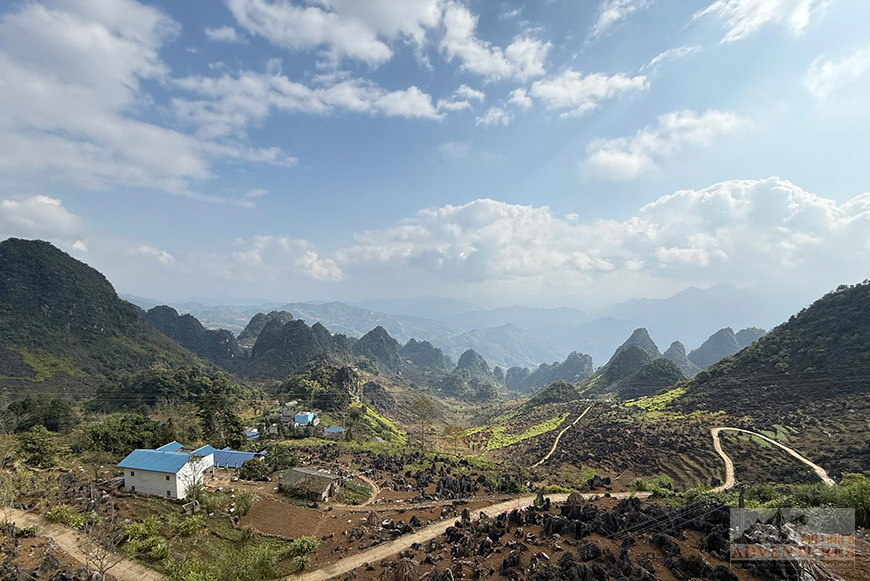 Exploring Ha Giang during the right season | Mr Linh's Adventures
Mar–Apr: the connaisseur’s alternative
March is probably the most overrated month: crowded and capricious. Mid-April gets interesting: the summer monsoon lingers, temperatures steady around 24°C, and vegetation bursts without June’s heavy humidity. It’s the year’s “Sweet Spot”: post‑Têt crowds drop, terraces are jade-green, and sites feel yours.
Mr Linh’s wink: we love taking guests to Ha Giang then : dry roads, clear skies, more buffalo than minibuses.
►
Northern loop Ha Giang - Ba Be 5 days 4 nights
May: gold beneath the rain
Yes, it rains : about 165mm on average. Intense but typically short late‑day showers. Between them, tropical brightness makes Hmong indigos pop at mountain markets. Crowds are minimal. The tourism trade naps. Ideal for tight budgets.
The move
Negotiate charming homestays at -30%, choose any train, and skip advance bookings. Except maybe one night in a top Sapa homestay; the best places remain taken even in low season.
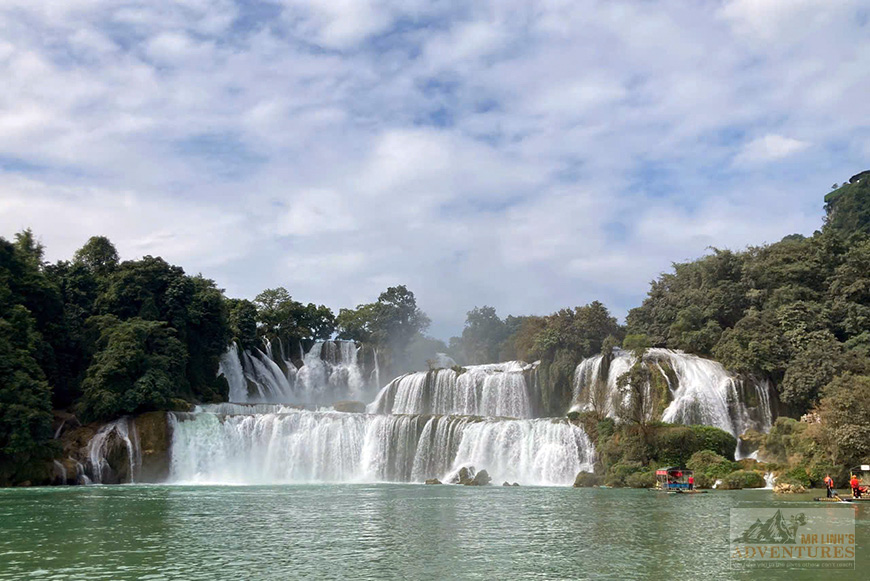 Ban Gioc waterfall is at its best after the rainy season | Mr Linh's Adventures
Jun–Aug: the season for voluntary castaways
June: manageable if you like hot and humid. Rain frequent but not constant.
July 2026: the trap. With 185mm forecast and 40°C peaks, it’s physically punishing. Heat builds in Hanoi alleys, humidity hits ~85%, and typhoons lurk.
August: the worst combo : heat + typhoons + local school holidays. Halong ports often close. Not the month to linger (the die‑hards will enjoy it).
The move
If tied to summer holidays, aim for early June or wait until September.
 Kayaking in Lan Ha Bay under the October's light | Mr Linh's Adventures
Sep–Oct: the golden season (2026 edition)
September can be treacherous (typhoons possible). October is usually perfect: harvest-gilded paddies, blue skies, 25°C. In 2026 La Niña delays monsoon exit; early October may still see ~145mm (Vietnam Meteorological Institute), turning Sapa trails slippery and the bay atmospheric but tricky. The real window opens mid‑October: golden rice fields and clear skies. Crowds? Simple: September = quiet. October = gradual return of trekkers.
The move
Mid‑Oct to mid‑Nov 2026 is THE window. Caveat: Halong’s “floating factories” clog the bay. With La Niña’s mood swings, booking a cruise last‑minute is risky.
Simple math: In October visibility can hit 100%, and so can crowds. To avoid photographing more tourists than karsts, we limit departures to
Lan Ha Bay. Our private or small‑group junks typically sell out three months ahead. Why? In 2026, true travel is silence, not champagne.
►
Have a look to our Cat Ba travel guide
November: near-perfect if you plan
Dry, cool mornings, warm afternoons. Ideal. But it’s also the early start of winter high season. December comes early this year.
The move
If November is your target, book now. Not in two months. Now. The best Old Quarter rooms and authentic junks are taken fast.
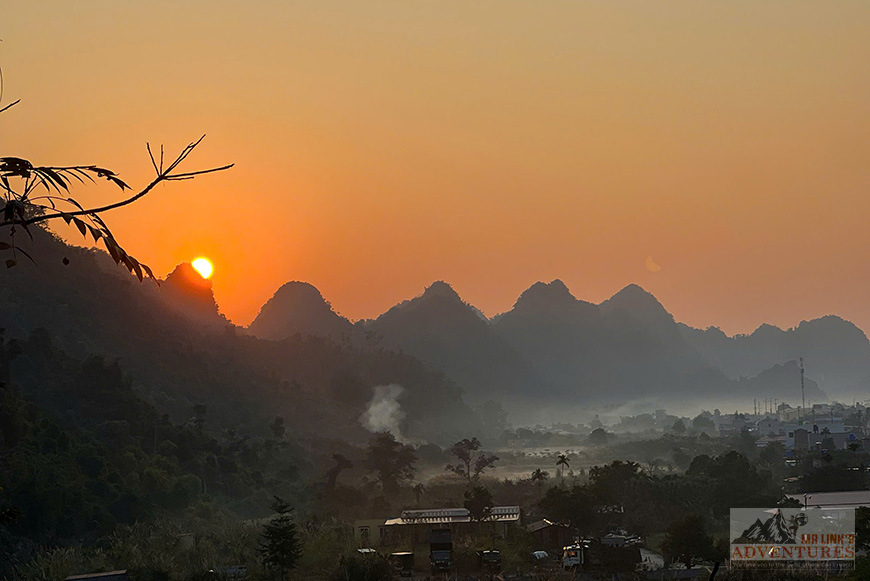 Enjoying here and now, the right moment | Mr Linh's Adventures
So when to go?
✓ Perfect balance: mid‑April, or mid‑October to mid‑November 2026. These windows combine low rain (<100mm) and light crowds (~40% fewer than December).
✓ Tight budget: May or September. Acceptable rain, smashed rates, full authenticity.
✓ Fatal mistake: August. Unless you crave maximum schools-on, heavy rain (250–350mm), high typhoon risk and stifling heat (33–35°C).
Closing line
Northern Vietnam in 2026 isn’t visited: it’s decoded. Between La Niña’s whims and lunar calendar cycles, only travelers who read between the raindrops will find that small‑morning mid‑October light, before the world wakes.
The rest gets rain and queues. Choose your side!
Going further