Perhaps you remember that little checkbox, just before paying for your hike or trek, where you are asked about your fitness level, your allergies, and if you have ever walked for more than two hours without crying? We are often tempted to embellish our experience a little. After all, who hasn't checked "Expert" after successfully completing a 5 km walk on flat terrain?
However, this step of
profile collection is not just paperwork; it is your safety shield. Here is why you must lay your cards on the table, and how your guide uses these secrets to offer you the best possible adventure.
Let's discover together the
five existential questions every professional guide asks you (and what the
ISO standard obliges them to do with your answers!).
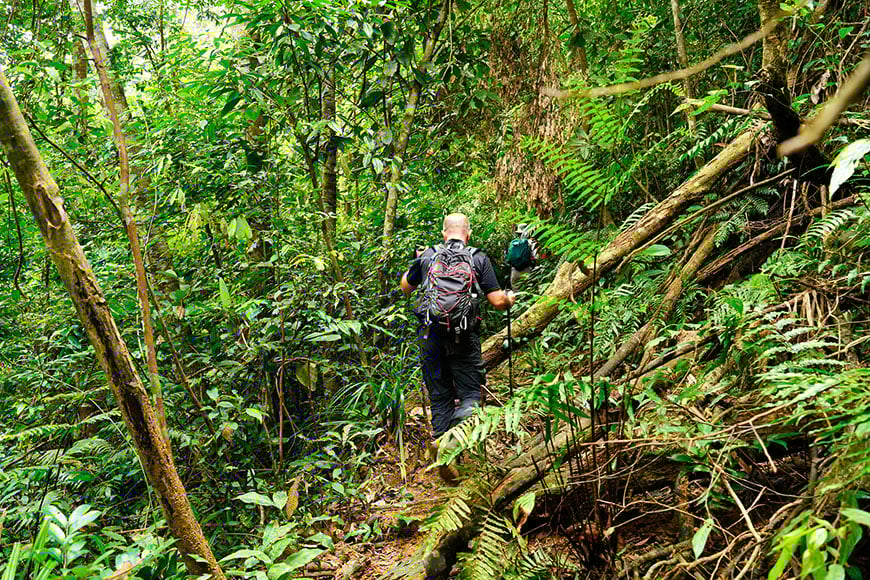 Ask yourself: what type of hiker am I, truly? Photo : Mr Linh;s Adventures
1. The effort question: what kind of hiker am i really?
When the guide asks about your fitness level and experience, they are not joking. The professional guide has already classified the itinerary (Severity 4, Effort 5, etc.). They are looking to ensure there is a match between the challenge and your capabilities. A minor sprain can be managed on an easy trail, but at 4,000 meters of altitude, it becomes a costly evacuation.
Remember: The standard requires the collection of this information because the guide must critically examine the data to assess the participant's real capacity. If you inflate your hiking CV, you won't impress the guide. You will impress the rescue teams... when they have to evacuate you! Honesty is the cheapest life insurance.
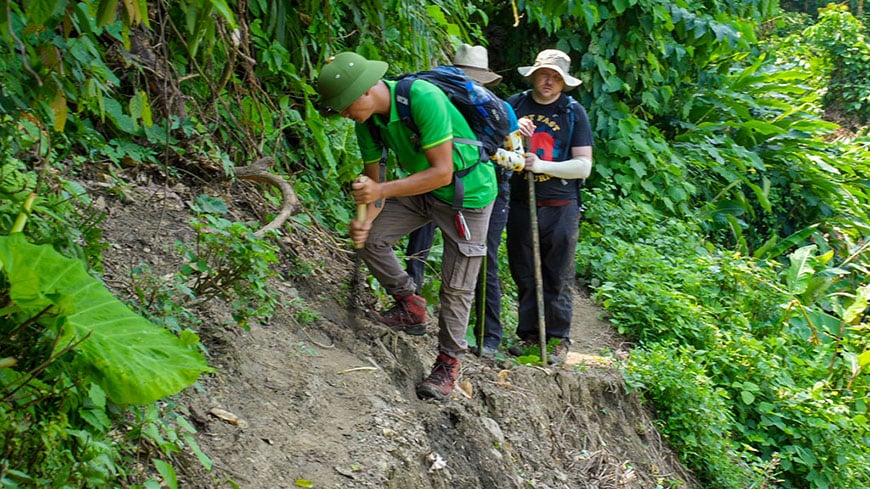 Ask yourself: is my body prepared for the unexpected? Photo : Mr Linh's Adventures
2. The health question: is my body ready for the unexpected?
This is the trickiest question, but also the most vital. The provider must collect information on your health status, specific medical conditions, and medications you are taking. Rest assured, the confidentiality of this information is required by the standard. The guide is not a doctor, but they are the first responder. They need to know:
- ✓ If that insect bite requires an injector pen.
- ✓ How to react if your blood pressure drops during an altitude change.
- ✓ Who to call in an emergency and what your insurance coverage is.
The ISO's preventive action: For participants considered "at risk" (according to the information provided), the guide must advise you to consult a medical authority before committing. It is a way of saying, "Prepare well, we care about you!"
►
Trekking on Vietnam’s Final Frontier14 days 13 nights
 A certified guide would never risk a single person's life | Photo : Mr Linh's Adventures
3. The guide's veto: the "no" that saves you
You have arrived, excited, ready to go, but the guide has doubts. According to the standard, if your profile does not match the itinerary's criteria, the guide has the power (and the moral obligation) to prohibit participation in the activity. This decision is never taken lightly, but it is non-negotiable. A certified guide will never risk putting one person's life (and by extension, the lives of all others) in danger.
A bit of dark humor: It's better to be angry with your guide at the start than to be rescued by helicopter in the middle of nowhere because you lied about your knees. If you are refused, tell yourself you just avoided a bad day in the mountains and that you have found a serious guide. That is a successfully passed test, even if you did not hike!
►
Cuc Phuong National Park Adventure Trekking 3 days 2 nights
 Always provide an emergency contact number | Photo : Mr Linh's Adventures
4. The logistics question: who to call if i'm lost?
In the midst of an emergency, time is life. The two most valuable logistical pieces of information you provide are:
- ✓ Your emergency contact.
- ✓ Your insurance coverage.
Your guide will not call your family without reason, but if the unexpected happens, they will immediately know who to contact and what evacuation services your insurance may cover. This is the step where the guide organizes assistance and rescue lines.
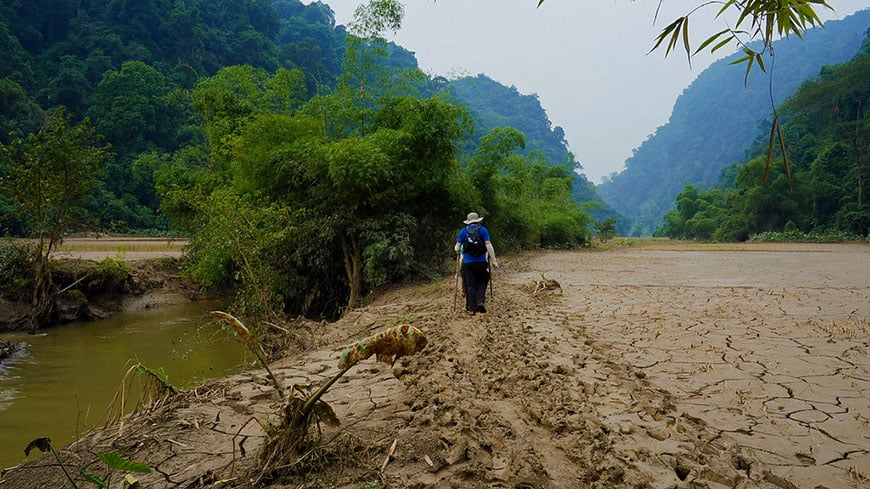 Ask yourself: do I have all the gear I need with me? Photo : Mr Linh's Adventures
5. The autonomy question: do i have everything i need with me?
Your guide is equipped like a professional (map, first aid kit, means of communication), but what about you? The standard insists on the participant needing their minimum individual equipment. This includes:
- ✓ Suitable shoes/clothing (goodbye city sneakers on rocky trails).
- ✓ An appropriate backpack.
- ✓ A flashlight (with spare batteries, because nights fall quickly).
- ✓ Emergency food/water and a survival blanket (your self-sufficiency kit).
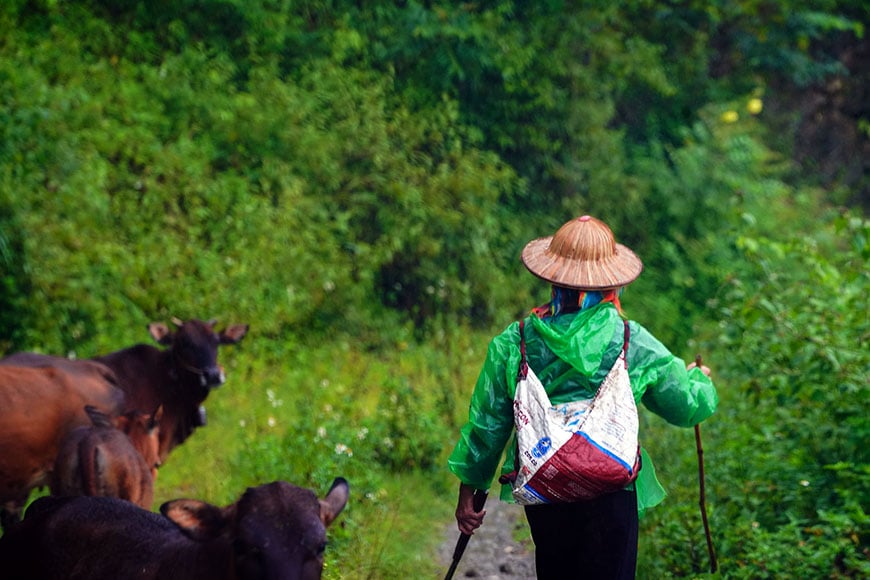 You are a informed hiker — follow your dreams ! Mr Linh's Adventures
Your passions are our priority
Let's set safety aside to talk about enjoyment! While the ISO standard focuses on dangers, an excellent provider is interested in what makes your experience unique.
- ✓ Are you vegan? Your guide notes it to plan meals and restaurants.
- ✓ Are you passionate about Buddhism? Share it! This is what allows the guide to adjust the itinerary to include that lesser-known pagoda or that fascinating conversation along the way.
Service is also about the human touch. Sharing your constraints (diets) and your interests (cultural) transforms a simple trip into a personalized and memorable adventure. That is the secret to ensuring the adventure is as enjoyable as it is safe.
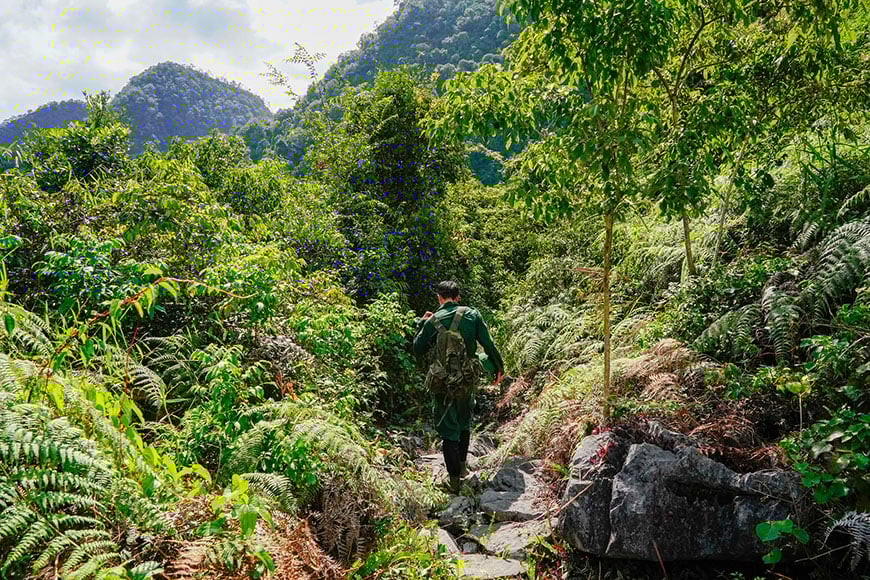 Ready to start your next big adventure? Photo :Mr Linh's Adventures
Become an informed traveler
Transparency is the first safety instruction. By honestly answering your guide's questions, you are not just complying with a boring standard; you are activating a protection protocol and showing that you are ready to transition from being a simple hiker to an informed traveler. And that is the best way to start an adventure!